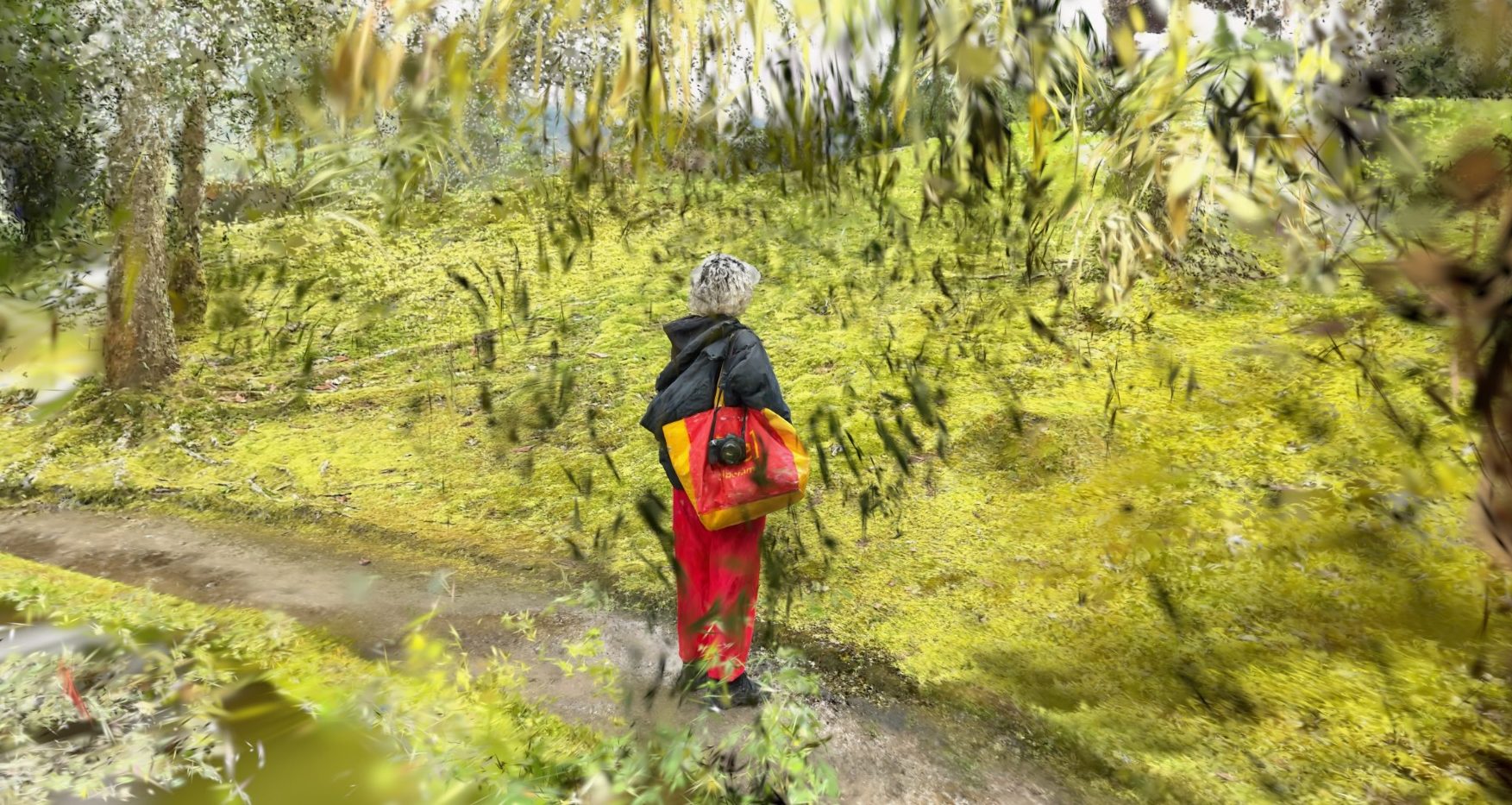
Trees can be contorted, bent in weird ways es un proyecto de investigación artística que explora las relaciones entre flora e identidad queer a través de metodologías inspiradas en el naturalismo. El proyecto parte del estudio de las estrategias de supervivencia de las flores, entendidas como mecanismos de visibilidad, seducción y cooperación con otras especies. A partir de esta observación, se propone una reflexión sobre las formas en que las comunidades humanas, y en particular las comunidades queer, generan vínculos, cuidados y redes de apoyo para sostener su existencia.
Desarrollado durante una residencia en São Miguel, Azores, el proyecto toma como punto de partida diversas especies vegetales presentes en la isla, como la hortensia, la conteira, las azaleas o el incienso. La investigación combina el conocimiento ecológico local con relatos históricos, culturales y comunitarios obtenidos mediante entrevistas y encuentros con personas vinculadas al activismo, la conservación ambiental, la agricultura y la vida cotidiana de la isla. Estas voces permiten abordar las plantas no solo como organismos biológicos, sino también como agentes implicados en procesos de construcción identitaria, memoria y pertenencia.
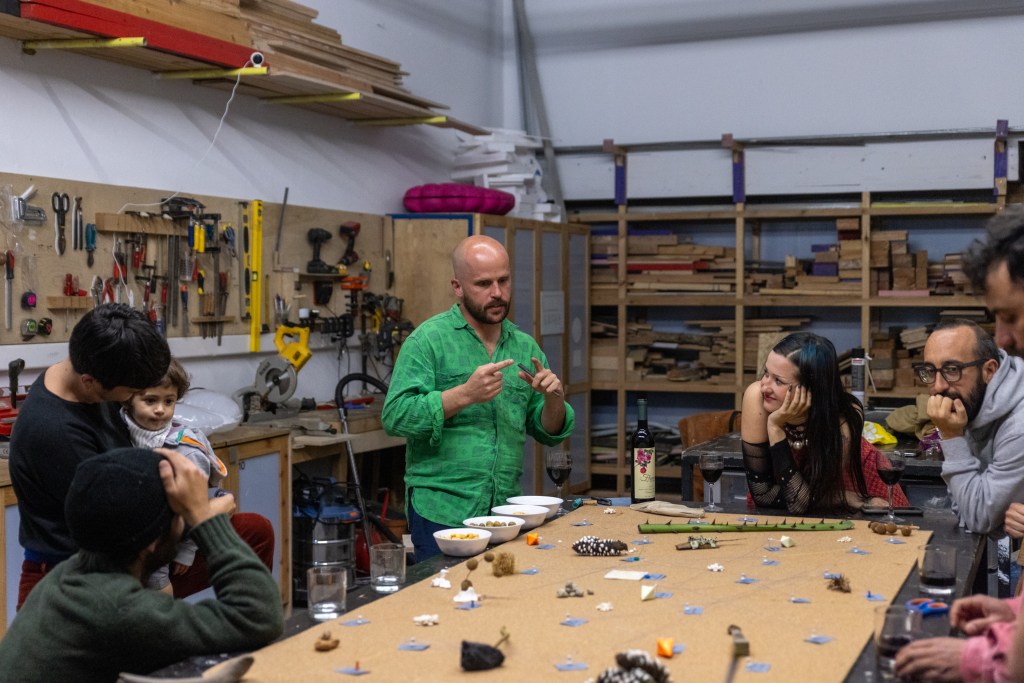
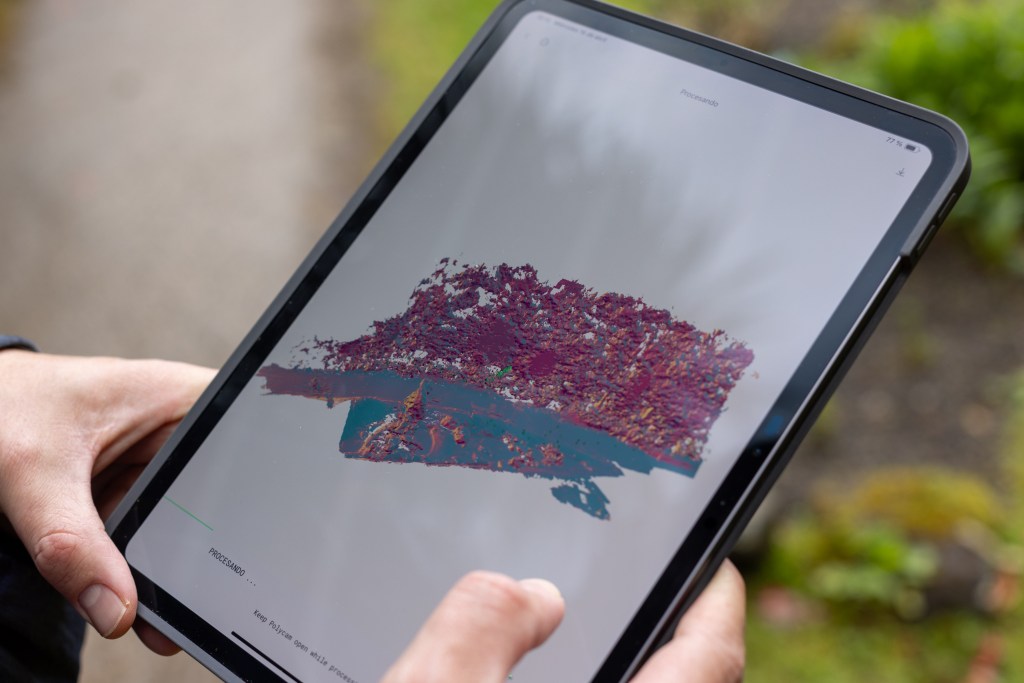
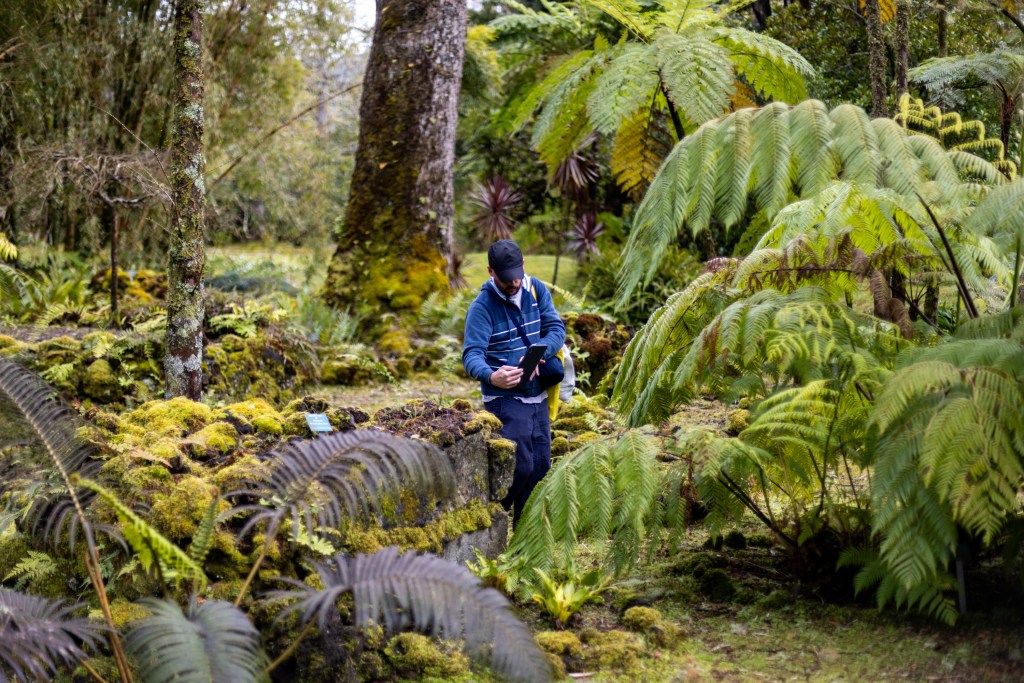
La metodología del proyecto se basa en prácticas de observación, registro y documentación propias del naturalismo, adaptadas a un contexto artístico contemporáneo. Para evitar intervenir físicamente en el ecosistema, se emplean herramientas como el dibujo, la fotografía, el escaneo tridimensional, el modelado digital y la realidad aumentada. Los materiales resultantes se presentan como dispositivos para imaginar conexiones entre ecologías humanas y no humanas, generando espacios de intercambio y especulación colectiva sobre posibles futuros, formas de convivencia y modos alternativos de relacionarse con el territorio.
Fotografía Mariana Lopes
+++++english
Trees can be contorted, bent in weird ways is an artistic research project that explores the relationship between flora and queer identity through methodologies inspired by naturalism. The project begins with an investigation into the survival strategies of flowers, understood as mechanisms of visibility, seduction, and cooperation with other species. Drawing from these observations, it reflects on the ways human communities—and queer communities in particular—create bonds, forms of care, and support networks that sustain their existence.
Developed during a residency on São Miguel Island in the Azores, the project takes as its starting point several plant species present in the archipelago, including hydrangeas, ginger lilies, azaleas, and incense trees. The research combines local ecological knowledge with historical, cultural, and community narratives gathered through conversations and interviews with people involved in environmental conservation, agriculture, activism, and everyday life on the island. These perspectives make it possible to approach plants not only as biological organisms, but also as agents involved in processes of identity formation, memory, and belonging.
The project’s methodology draws on practices of observation, documentation, and recording associated with naturalism, adapted to a contemporary artistic context. In order to avoid physically intervening in the ecosystem, it employs tools such as drawing, photography, 3D scanning, digital modeling, and augmented reality. The resulting materials function as devices for imagining connections between human and non-human ecologies, creating spaces for collective exchange and speculation about possible futures, forms of coexistence, and alternative ways of relating to the environment.
 Víctor Colmenero Mir